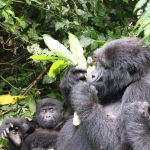
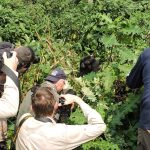
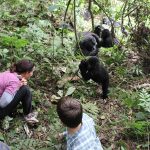
Gorilla trekking is a challenging and rewarding adventure that takes you deep into the habitats of one of the world’s most fascinating species. However, the physical demands of navigating uneven trails, climbing steep inclines, and spending hours on your feet in unpredictable conditions require a certain fitness level. Being physically prepared is essential for your safety and enhances your ability to enjoy the experience fully.
Understanding Gorilla Trekking: What Does It Involve?
Gorilla trekking is an outdoor adventure that involves tracking mountain gorillas in their natural habitats. These treks can last anywhere from a couple of hours to an entire day, depending on the location of the gorilla families and their movement patterns. Visitors navigate challenging terrains, including steep slopes, muddy trails, and dense undergrowth. Elevation changes can be significant, with some routes requiring sustained uphill climbs followed by descents into valleys.
The physical intensity of gorilla trekking varies by region and specific trek, but all require a certain stamina, strength, and balance. Trekking permits are issued for small groups, ensuring minimal disruption to the gorillas and their environment. Before the trek begins, visitors are briefed on guidelines for respectful interaction with these primates, including maintaining a safe distance, keeping voices low, and following instructions from guides.
The experience demands patience, resilience, and adaptability to unpredictable conditions. Weather can shift quickly, with rain making trails slippery, while the humid forest climate adds to the physical challenge.
Physical Fitness Requirements for Gorilla Trekking
Gorilla trekking requires moderate to high physical fitness, depending on the specific trail and terrain. The activity involves traversing uneven ground, climbing steep inclines, and navigating slippery or muddy paths, often for several hours. Understanding the key fitness components needed can help visitors prepare adequately for these challenges.
General Fitness Level
A good overall fitness level is essential for maintaining energy and focus throughout the trek. Participants should be comfortable walking long distances, often in varying conditions. Handling prolonged physical exertion without fatigue is critical for safety and enjoyment during the trek.
Cardiovascular Fitness
Cardiovascular endurance is one of the most essential fitness aspects for gorilla trekking. Treks often require sustained effort over several hours, which places significant demands on the heart and lungs. A strong cardiovascular system ensures a steady oxygen supply to the muscles, helping trekkers cope with prolonged activity and the increased physical demands of higher altitudes.
Strength and Stability
Muscular strength, particularly in the legs and core, is essential for navigating uneven and sometimes unstable terrain. Strong quadriceps, hamstrings, and calf muscles must climb steep inclines and descend safely. Core stability helps maintain balance on narrow trails and prevents injuries caused by slips or missteps.
Flexibility and Balance
Flexibility allows for a greater range of motion, which is beneficial for climbing over rocks, stepping over roots, or bending to navigate under low-hanging branches. Balance is essential for stability on slippery or uneven surfaces, especially during steep ascents and descents.
Mental Preparedness
While often overlooked, mental readiness is a key aspect of fitness. Staying calm and focused in the face of physical challenges or unexpected situations, such as sudden rain or encountering wildlife on the trail, ensures safe and effective decision-making during the trek.
Fitness Training to Prepare for Gorilla Trekking
Preparing for gorilla trekking involves a targeted fitness regimen that enhances endurance, strength, flexibility, and balance. This ensures trekkers can meet the physical demands of the activity while reducing the risk of injury. A structured training plan, ideally starting several weeks or months before the trek, allows for gradual improvements in overall fitness.
Below are recommended exercises and activities to help visitors prepare effectively.
Cardio Workouts
Cardiovascular endurance is crucial for trekking over extended periods. Running, brisk walking, cycling, swimming, or stair climbing can improve heart and lung capacity. Aim for at least 30–45 minutes of moderate to vigorous cardio exercise three to five times weekly. Interval training, which alternates between high-intensity bursts and lower-intensity recovery periods, can further boost stamina for the fluctuating pace of a trek.
Strength Training
Building strength, particularly in the legs and core, is essential for climbing steep trails and maintaining balance on uneven terrain. Key exercises include:
- Squats and Lunges: Strengthen the quadriceps, hamstrings, and glutes.
- Step-Ups: Simulate uphill climbing by stepping onto a raised surface.
- Planks and Side Planks: Enhance core stability for improved balance.
- Calf Raises: Strengthen lower leg muscles for stability on inclines and descents.
For continued improvement, perform these exercises two to three times weekly, gradually increasing the weight or repetitions.
Flexibility and Balance Exercises
Flexibility helps navigate obstacles such as fallen branches or large rocks, while balance reduces the likelihood of falls. Incorporate:
- Yoga or Stretching Routines: To improve range of motion, focus on the hamstrings, calves, hips, and lower back.
- Single-Leg Balance Drills: Enhance stability by practising balance on one foot, possibly on an unstable surface like a balance pad.
- Dynamic Stretches: Include leg swings and arm circles to prepare the body for movement patterns similar to trekking.
Simulated Hikes
Nothing prepares the body for trekking, like replicating the activity itself. Practice on local hiking trails, especially those with varied elevations, to build endurance and familiarise yourself with the conditions you’ll face. Use a loaded backpack to mimic carrying essentials such as water and snacks. Gradually increase the distance and difficulty of these practice hikes.
Additional Factors to Consider
Preparing for gorilla trekking involves more than physical training. Several external and personal factors can influence the experience, requiring careful consideration to ensure safety, comfort, and readiness for the trek. Below are some of the key aspects to take into account.
Age and Health Conditions
Age is not necessarily a limitation for gorilla trekking but may affect physical performance and recovery time. Older trekkers or those with pre-existing health conditions should consult a healthcare provider before undertaking a fitness regimen or embarking on the trek. Common conditions to evaluate include joint, cardiovascular, and respiratory issues.
Some trekking destinations offer shorter or less strenuous routes for individuals with limited mobility or specific health needs. However, these alternatives may still involve physical challenges, so preparation remains essential.
Altitude Challenges
Altitude can significantly impact physical performance, even for those in good health. Many gorilla trekking destinations, such as Bwindi Impenetrable Forest in Uganda or Volcanoes National Park in Rwanda, are located at elevations ranging from 1,500 to 2,600 meters (4,900 to 8,500 feet) above sea level. At these heights, reduced oxygen levels can cause fatigue, shortness of breath, or altitude sickness.
To mitigate these effects:
- Spend a day acclimatising at the trek’s starting elevation if possible.
- Incorporate aerobic exercises into your training regimen to improve oxygen utilisation.
- Stay hydrated and avoid alcohol or caffeine, which can exacerbate altitude-related symptoms.
Preparing for the Weight of Gear
Visitors typically carry essentials such as water, snacks, rain gear, and cameras during the trek. Although porters are available at many trekking sites to help with heavier loads, participants should be prepared to carry a small backpack for personal items.
Training with a loaded backpack during practice hikes is an effective way to build strength and endurance. Start with a light pack and gradually increase the weight to simulate the trek conditions. Focus on maintaining good posture and balance to avoid strain on your back or shoulders.
Conclusion: Tips for Staying Fit and Healthy During the Trek
Staying fit and healthy throughout the gorilla trek is crucial for safety and enjoyment. The physical effort required and the unpredictability of natural environments demands thoughtful preparation and on-the-spot self-care. The following tips can help trekkers maintain their energy, prevent injuries, and stay comfortable during the experience.
Pace Yourself
Maintaining a steady pace is essential to conserve energy during the trek. Start with slow, deliberate steps, especially on steep inclines or slippery sections. Avoid rushing, as this can lead to fatigue or loss of footing. Listen to your body and take short breaks to catch your breath and rehydrate. Guides typically ensure the group moves at a manageable pace, but individuals should feel comfortable requesting breaks if necessary.
Hydration
Proper hydration is critical for optimal performance and recovery during the trek. Dehydration can quickly lead to fatigue, headaches, or muscle cramps, particularly in humid forest environments or at higher altitudes. Carry sufficient water—at least 2–3 litres—and take small sips regularly. Consider using a hydration pack for easy access while walking. For added energy, electrolyte tablets or sports drinks can help replenish lost minerals.
Energy-Rich Snacks
Pack lightweight, high-calorie snacks to sustain energy levels during the trek. Options like nuts, dried fruits, protein bars, or trail mix provide a quick boost without weighing down your backpack. Avoid sugary snacks that may cause an energy crash later in the day. Eating small portions at intervals can help maintain consistent energy throughout the trek.
Stretching Before and After
Stretching before the trek can help warm up muscles and improve flexibility, reducing the risk of strains or injuries. Focus on dynamic stretches for the legs, hips, and back, such as lunges, leg swings, and torso twists. After the trek, static stretches can help alleviate muscle soreness and improve recovery. Key areas to target include the calves, quadriceps, hamstrings, and lower back.
Clothing and Footwear
Wearing the right gear can prevent discomfort and injuries. Choose moisture-wicking clothing to keep sweat away from the body and reduce the risk of chafing. Sturdy, waterproof hiking boots with good ankle support are essential for navigating uneven terrain. High-quality socks designed for trekking can help prevent blisters.
Pay Attention to Signs of Fatigue or Injury
Be mindful of physical warning signs such as dizziness, persistent pain, or excessive shortness of breath. Ignoring these signals can lead to more serious issues, such as dehydration, muscle injuries, or exhaustion. Inform your guide immediately if you feel unwell or need assistance.
Take Care of Your Skin
Trekking in forested environments often exposes you to insects, sun, and rain. Apply sunscreen to prevent sunburn, even in shaded areas. Use an insect repellent to protect against mosquito bites, and consider wearing long sleeves and pants for additional protection.
Popular posts