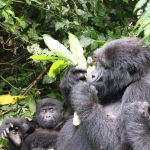
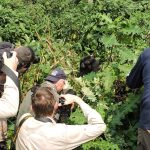
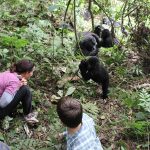
Preparing for a hiking trip in Bwindi requires thoughtful consideration of the gear you bring. The unique environment, characterised by challenging trails, steep inclines, and unpredictable weather, demands equipment that prioritises comfort, functionality, and durability. Having the right gear can mean the difference between a fulfilling experience and unnecessary challenges.
This guide focuses on the essential items for gorilla trekking and general hiking in Bwindi. From footwear and clothing to backpacks and safety equipment, we’ll outline everything you need to be well-prepared and make the most of your journey.
Gear for Gorilla Trekking
Clothing Essentials
When preparing for hiking and trekking in Bwindi, selecting the proper clothing is critical to ensure comfort, protection, and adaptability. The region’s unpredictable weather patterns, ranging from intense humidity to sudden rain showers, demand that visitors dress strategically.
Layering for Comfort and Protection
The principle of layering is indispensable for trekking in Bwindi. Start with a moisture-wicking base layer to keep sweat away from the skin, which helps regulate body temperature during intense activity. A mid-layer, such as a lightweight fleece or insulated jacket, provides necessary warmth in cooler conditions. Finally, a waterproof and wind-resistant outer layer protects against rain and damp air, ensuring you stay dry despite sudden downpours.
Importance of Waterproof and Quick-Dry Clothing
Due to the high likelihood of encountering rain or walking through damp foliage, waterproof clothing is non-negotiable. Opt for jackets and pants made with breathable, waterproof materials like Gore-Tex. Quick-dry shirts and trousers are also recommended to prevent discomfort caused by prolonged wetness and allow faster recovery when clothes inevitably get wet.
Additionally, long-sleeved shirts and full-length trousers are ideal for protecting against insect bites and scratches from vegetation. Lightweight and durable fabrics that allow for ease of movement should always take precedence in your selection.
Footwear
Footwear is one of the most critical considerations for hiking and trekking in Bwindi. The region’s trails vary widely, featuring steep inclines, muddy paths, and rocky terrain that demand sturdy, well-designed shoes to ensure safety and comfort.
Best Hiking Boots for Uneven Terrain
Good hiking boots are indispensable for navigating Bwindi’s challenging trails. Look for boots with firm ankle support to protect against sprains and injuries on uneven ground. A deep-tread, non-slip sole is crucial for griping slippery or muddy surfaces. Materials such as leather or synthetic waterproof fabrics are ideal for keeping your feet dry, while a breathable lining helps prevent overheating during long treks. Ensure your boots are well broken in before the hike to minimise the risk of blisters and discomfort.
Gaiters for Extra Protection
Gaiters are highly recommended for tackling Bwindi’s muddy and often wet trails. These protective covers wrap around the lower legs and upper boots, preventing mud, water, and small debris from entering your footwear. Gaiters also protect against insect bites, making them valuable to your gear. Choose lightweight, waterproof models that are easy to pack and fit securely.
Protective Gear
Navigating the dense trails of Bwindi requires more than sturdy clothing and footwear. Protective gear ensures safety and comfort, particularly when trekking through thick vegetation or close encounters with nature.
Gloves for Handling Vegetation
Durable gloves are essential for trekking in Bwindi. The trails often involve pushing through dense foliage, and gloves protect your hands from scratches, thorns, and rough tree bark. Opt for lightweight gloves with a reinforced grip that allows you to maintain dexterity while navigating or using trekking poles. Breathable, quick-drying materials are preferable to avoid discomfort during extended use.
Face Masks and Hygiene Considerations
Face masks have become increasingly crucial for gorilla trekking. They help reduce the risk of transmitting illnesses to the gorillas—whose health is a priority in conservation efforts—and they also protect trekkers from inhaling dust or allergens stirred up along the trails. Pack several reusable or disposable masks to ensure a clean daily option.
Sunglasses and Sun Protection
In open areas or during breaks from the forest canopy, sunglasses with UV protection shield your eyes from intense sunlight. A wide-brimmed hat or cap protects you from the sun’s rays, ensuring you remain comfortable during prolonged exposure.
Navigation and Communication
Efficient navigation and reliable communication tools are essential for a safe and enjoyable trek in Bwindi. The forest’s dense vegetation and intricate trails can be disorienting, making proper preparation critical.
Maps, GPS Devices, and Local Guides
Although local guides are highly skilled and familiar with Bwindi’s trails, carrying personal navigation tools is a wise backup. Waterproof trail maps are valuable, offering a clear overview of routes and landmarks. GPS devices or mobile apps designed for hiking can provide real-time location tracking, but ensure your device is fully charged and equipped with offline maps, as network coverage may be limited in remote areas.
Emergency Whistles and Radios
An emergency whistle is a lightweight yet powerful tool for signalling your location if you separate from your group. Three short blasts are the universal distress signal in the wilderness. Two-way radios can also help maintain communication in areas with limited cell service. Many trekking groups and guides include these as part of their safety equipment.
Power Banks for Extended Use
Carry a portable power bank to charge your electronic devices, mainly if you rely on GPS or mobile communication tools. Opt for a high-capacity, rugged model that can handle Bwindi’s humid and potentially rainy conditions.
Gear for Hiking and Nature Walks
Bwindi offers a range of opportunities beyond gorilla trekking, including scenic hikes and tranquil nature walks. While the gear required for these activities overlaps with trekking essentials, some adjustments can enhance your experience on these less intensive outings.
Clothing for General Hiking
Opt for lightweight, breathable fabrics that keep you cool and comfortable for nature walks and light hikes. Quick-dry shirts and pants remain essential, as morning dew or light rain are common. A compact, packable rain jacket is a practical addition to prepare for unexpected weather changes without weighing you down.
Footwear for General Hiking
Comfortable walking shoes or lightweight hiking boots with adequate grip suit most nature walks. These should provide cushioning and support for moderate trails while remaining lighter than heavy-duty trekking boots. Pair them with moisture-wicking socks to prevent blisters and keep your feet dry.
Daypacks and Accessories
A smaller daypack is ideal for shorter hikes and nature walks. This should be large enough to carry essentials like water, snacks, and a first-aid kit but compact enough to avoid unnecessary bulk. Binoculars are an excellent addition for observing wildlife or birdwatching, while a camera with a strap or small tripod helps document the experience.
Safety Gear
While nature walks may be less demanding, safety should remain a priority. Carry essential navigational tools, such as a map and compass, even on well-marked trails. A flashlight or headlamp is necessary if your hike extends into the early morning or evening, as visibility can drop quickly in forested areas.
Extras
A field guide can be a valuable resource for those interested in learning more about Bwindi’s flora and fauna. A small notebook or journal helps record observations, and a waterproof case ensures your notes and electronic devices stay safe.
Conclusion
Proper preparation is key to maximising your hiking and trekking experience in Bwindi. The right gear enhances comfort and safety and allows you to fully and safely experience the forest’s unique challenges and rewards.
Equipping yourself thoughtfully is also a sign of respect for the environment and the conservation efforts that protect Bwindi’s natural treasures. By packing smart and staying prepared, visitors can minimise their impact while maximising their appreciation of this remarkable destination.
Popular posts